
Opinion | Bangladesh
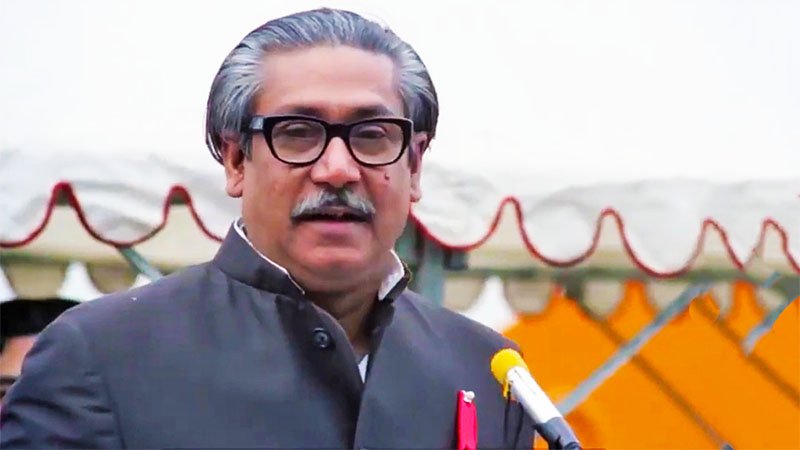
August 15 has once again returned to Bangladesh, bringing with it memories of one of the country’s darkest chapters. The day is associated with the assassination of Sheikh Mujibur Rahman and members of his family in 1975, an event that left a lasting mark on the nation’s political history. The original article presents August 15 as a day of mourning and remembrance, while connecting its significance to the country’s turbulent political developments of the past two years.
According to the article, the political meaning attached to August 15 has changed significantly since 2024. It argues that commemorations around Dhanmondi 32 faced serious disruption in 2024 and 2025, while the historic residence itself was subsequently demolished. These developments, the writer contends, have deepened concerns among supporters of the Awami League about the preservation of Bangladesh’s political and Liberation War history.
The article then focuses on a major political development that, in its view, has given this year’s August 15 a different significance. On August 5, Sheikh Hasina appeared virtually at an event organised by the Foreign Correspondents’ Club of South Asia in New Delhi and expressed her determination to return to Bangladesh in December 2026. Her statement is presented by the writer as a turning point for Awami League supporters who have remained outside the country or politically inactive since the upheaval of 2024.
Hasina’s remarks also highlighted what she described as the suffering experienced by Bangladesh over the past two years. She referred to families affected by violence, economic hardship and political uncertainty and argued that the current situation was far removed from the Bangladesh envisioned through the Liberation War. These statements form a central part of the article’s argument about why her proposed return has become politically significant.
The article further claims that political repression has intensified since 2024, alleging large-scale arrests, cases and violence against Awami League activists and others. It also raises concerns about attacks on members of minority communities, journalists, cultural figures, professionals and other groups. These allegations are presented by the article’s author and should be understood as claims rather than independently verified facts.
Sajeeb Wazed Joy is also quoted in the article expressing concern about Bangladesh’s political and security environment. He calls for greater international attention to developments in the country and urges international media organisations to examine the events surrounding the 2024 uprising and the subsequent political violence.
For Awami League supporters living abroad, the article says the immediate challenge is to rebuild political organisation and raise their concerns internationally. It specifically calls for engagement with European institutions and international human-rights organisations regarding what it describes as political persecution and restrictions on Awami League activities.
Ultimately, the article frames August 15, 2026 not simply as a day of remembrance, but as a moment of renewed political determination. For its author, Sheikh Hasina’s stated intention to return has transformed the mood among her supporters from uncertainty to anticipation.
Yet Bangladesh’s political future remains far more complicated. The country continues to grapple with competing interpretations of its recent history, deep political divisions and questions about democracy, justice and accountability.
August 15 therefore carries more than memories of the past—it has once again become a symbol around which competing visions of Bangladesh’s future are being debated.