
Dhaka/New Delhi: Bangladesh Prime Minister Tarique Rahman’s proposed visit to India is being closely watched as Dhaka and New Delhi work to repair relations that have deteriorated significantly since the political upheaval of August 2024.
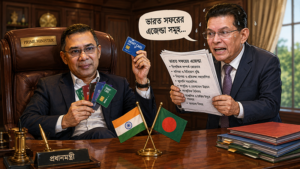
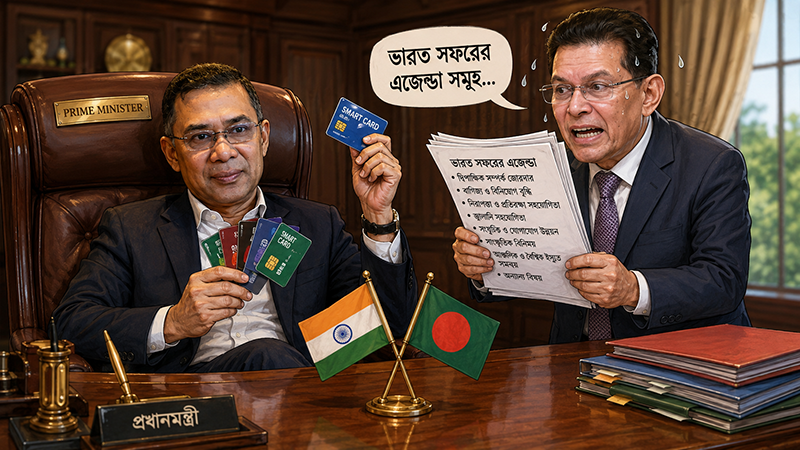
According to a report published by BDDigest, a lengthy list of demands and bilateral issues has reportedly been prepared ahead of the prime minister’s possible visit to New Delhi. However, the specific list should be treated as a reported account rather than an officially released government document.
The proposed trip would be Tarique Rahman’s first visit to India as prime minister. Discussions between the two governments have been continuing for weeks, although the final date of the visit has remained uncertain. Bangladesh has indicated that a favourable diplomatic environment needs to be created before the trip can move forward.
Sheikh Hasina’s extradition remains the key issue
The most politically sensitive issue is expected to be Bangladesh’s request for the extradition of former prime minister Sheikh Hasina, who has been living in India since leaving Bangladesh in August 2024.
Dhaka has repeatedly urged New Delhi to respond to its extradition request. Bangladesh has also requested the handover of other fugitives and suspects wanted in connection with criminal cases. Foreign Ministry officials have said they are still waiting for India’s response.
The issue has become even more complicated after Hasina’s public appearance from New Delhi on August 5. Dhaka criticised the event and said it had affected efforts to create an appropriate atmosphere for Tarique Rahman’s proposed visit.
Trade, energy and connectivity on the agenda
Beyond the political dispute, the two countries have a long list of practical issues to address.
Trade and economic cooperation are expected to feature prominently, with Bangladesh seeking smoother commercial relations and greater market access.
Energy cooperation is another important concern. Bangladesh has been facing serious power and fuel pressures and has sought additional fuel supplies from India. New Delhi has said the request will be examined while taking into account India’s own requirements, refining capacity and diesel availability.
Connectivity, border management and regional security are also expected to form part of discussions between the two governments.
Ganges water-sharing treaty
Another major issue is the Ganges Water Sharing Treaty, which is due to expire in December.
For Bangladesh, renewal of the treaty is a major priority because it governs the sharing of Ganges waters during the dry season. Any bilateral meeting between Tarique Rahman and Indian Prime Minister Narendra Modi could therefore provide an opportunity to push the negotiations forward.
A difficult diplomatic reset
India and Bangladesh have strong economic, geographic and security ties, but their relationship has been under considerable strain since Sheikh Hasina’s departure.
Tarique Rahman’s government has nevertheless signalled that it wants working relations with India while pursuing what it describes as a “Bangladesh First” foreign policy based on sovereign equality, national dignity, non-interference and mutual benefit.
India, meanwhile, has already invited Tarique Rahman for a bilateral visit and has also invited Bangladesh to the BRICS Outreach session in September. Dhaka is reportedly more interested in a dedicated bilateral visit, which would allow the two sides more time to address outstanding disputes.
Will the visit happen?
The proposed visit remains uncertain. India has reportedly suggested dates in August, while Bangladeshi officials have indicated that September could be more practical. Recent diplomatic developments surrounding Sheikh Hasina have complicated the preparations.
If the visit eventually goes ahead, it could become a crucial opportunity for Tarique Rahman and Narendra Modi to reset India-Bangladesh relations.
But the success of that effort may depend on whether the two sides can make progress on the most difficult issues—particularly Sheikh Hasina’s extradition, water sharing, energy supplies, trade and border security.
The proposed Delhi trip is therefore shaping up to be more than a routine diplomatic visit. It could become a defining moment for the future direction of Bangladesh-India relations.