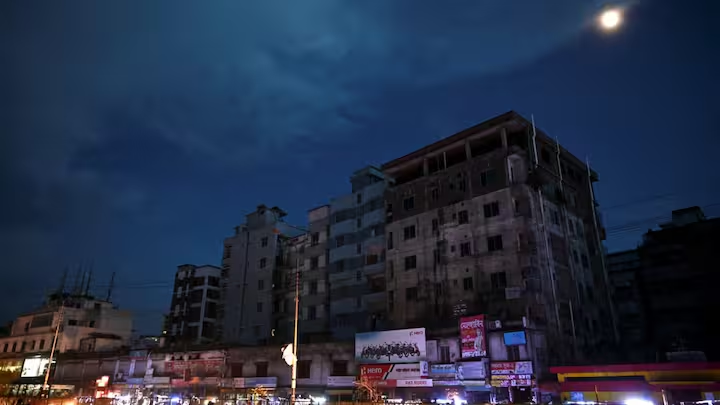

Dhaka: Bangladesh is facing a fresh and increasingly severe power crisis as fuel and gas shortages force electricity generation down, leaving many parts of the country facing prolonged load shedding. In some areas, outages are reportedly lasting for as long as 10 hours a day, adding to growing public frustration.
The worsening situation has been linked to a sharp decline in gas supplies to power plants, while shortages of other fuels are further restricting electricity generation. Recent data show LNG supplies to the national grid have fallen significantly, putting additional pressure on gas-fired power stations.
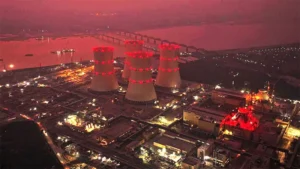
Bangladesh’s electricity system remains heavily dependent on gas-fired generation. With gas availability falling well below demand, several power plants have been forced to reduce production or operate below capacity. The result has been a widening gap between electricity demand and available supply.
The crisis is also affecting industries and businesses, where repeated power cuts are disrupting production and increasing operating costs. Households, meanwhile, are struggling with long periods without electricity, particularly during peak demand hours.
India asked to help with fuel supplies
As the domestic energy shortage deepens, Bangladesh has turned to neighbouring India for additional fuel support. The move comes as Dhaka attempts to secure alternative supplies and ease pressure on its shrinking energy reserves.
India has already played a role in supplying fuel to Bangladesh during periods of energy stress. Earlier this year, Bangladesh received petroleum products through cross-border arrangements, while discussions were held over additional supplies from Indian state-owned energy companies.
The latest appeal to India reflects the urgency of Bangladesh’s current situation, as disruptions in international energy markets have made it more difficult and expensive to secure fuel from traditional sources.
Gas shortage hits power generation
The immediate problem is particularly acute in the natural-gas sector. Bangladesh normally supplies a substantial volume of LNG to the national grid, but recent deliveries have fallen sharply. Petrobangla said weather conditions prevented an LNG cargo from docking at the Summit floating storage and regasification unit, further tightening supplies.
On August 10–11, total gas supply was reported at around 2,199 million cubic feet per day, against demand of approximately 3,854 million cubic feet per day. The power sector alone required more than 2,500 million cubic feet daily but received considerably less.
Gas-based electricity generation subsequently dropped to roughly 4,000 MW, despite the country’s gas-fired generation capacity being more than 12,000 MW.
Power imports also under pressure
The electricity shortage has been compounded by lower imports from India. Power supplied by Adani Power, which normally contributes more than 1,400 MW to Bangladesh’s grid, has recently fallen to around 900–1,000 MW.
Officials have attributed the reduction partly to problems affecting coal transportation and power generation.
Bangladesh has an installed generation capacity of more than 28,000 MW, but installed capacity alone does not guarantee uninterrupted electricity. Fuel availability, plant efficiency, transmission limitations and imported power all play a crucial role in determining how much electricity can actually reach consumers.
Long queues, rising public frustration
The energy shortage is not limited to electricity. CNG stations have also witnessed unusually long queues as reduced gas availability affects transport fuel supplies.
Drivers in Dhaka and other areas have reported waiting several hours to obtain CNG, resulting in lost working time and reduced daily income.
Rural Bangladesh has been hit particularly hard. Recent figures from the Rural Electrification Board indicate substantial supply deficits in several regions, including Mymensingh, Sylhet and Rangpur. In some areas, the gap between electricity demand and supply has exceeded 25 percent.
The prolonged outages have also raised concerns about public anger. Officials in several districts have reportedly sought additional police protection for electricity substations and field workers amid fears of confrontations with frustrated consumers.
Government promises improvement
Authorities say efforts are underway to stabilise the situation. State Minister for Power, Energy and Mineral Resources Anindya Islam Amit said the government had adopted an immediate strategy to improve electricity supply and expressed hope that conditions would begin improving.
However, the broader crisis highlights Bangladesh’s continuing vulnerability to disruptions in imported fuel and LNG supplies. The country’s energy system remains exposed to international price shocks, shipping disruptions and shortages in domestic gas production. Analysts have previously warned that declining domestic gas output and rising dependence on imported LNG could leave Bangladesh increasingly vulnerable to energy shortages.
For now, the government is looking to emergency fuel arrangements, including support from India, to ease the pressure. But with demand continuing to rise and supply remaining uncertain, the immediate challenge is clear: Bangladesh must restore adequate fuel supplies quickly to prevent prolonged blackouts from causing even greater damage to households, transport and industry.