
International Desk
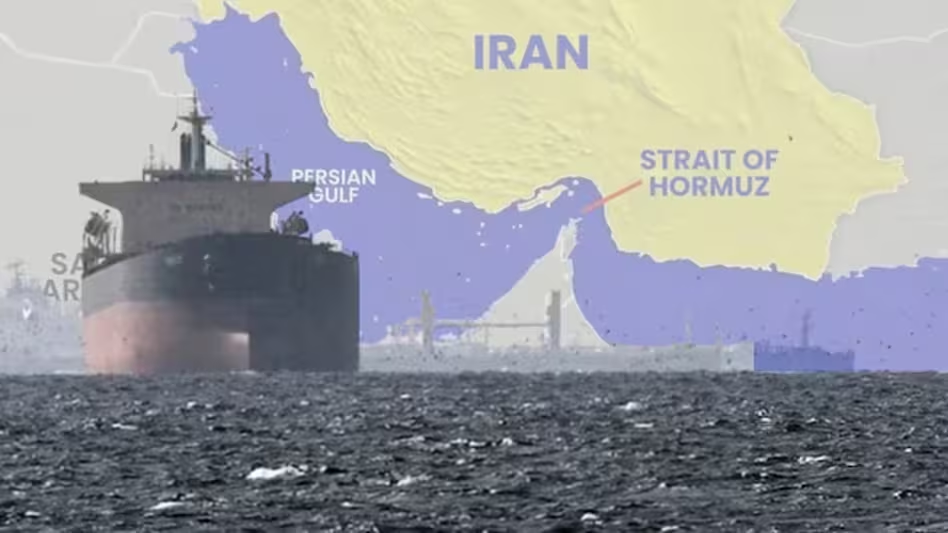
Iran has taken a fresh step that could further heighten tensions in the Middle East, as a parliamentary committee reviews a draft bill that would prohibit ships linked to the United States, Israel, and countries Tehran considers “hostile” from transiting the strategically vital Strait of Hormuz.
According to Iranian media, the proposed legislation is currently under examination by the parliament’s National Security and Foreign Policy Committee. Lawmakers are consulting legal and maritime experts before deciding whether to move the bill forward for wider parliamentary consideration.
If approved, the measure would authorize Iranian authorities to deny passage to vessels associated with the United States, Israel, or other designated hostile nations. The proposal also includes financial penalties, with violators potentially facing fines of up to 20% of the value of their cargo.
The Strait of Hormuz remains one of the world’s most critical maritime chokepoints, carrying a significant share of global oil and liquefied natural gas exports. Any new restrictions on commercial shipping through the waterway could have major implications for international energy markets and global trade.
The proposed bill comes amid continued regional tensions and ongoing negotiations over shipping arrangements in the Gulf. While Iran has sought greater oversight of maritime traffic through the strait, international shipping companies and several governments have expressed concerns that additional restrictions could disrupt freedom of navigation and complicate commercial operations.
At this stage, the legislation has not yet become law. It remains under parliamentary review, and any final decision will depend on the outcome of committee deliberations and subsequent legislative approval.