
Negotiations between the United States and Iran have reached a significant milestone, with Qatar confirming that discussions are now in a “very progressive” stage and that a draft agreement is currently being circulated among the parties involved. The development has raised hopes for easing tensions in the Middle East after months of diplomatic efforts.
Speaking at a press briefing in Doha, Qatar’s Foreign Ministry spokesperson Majed Al-Ansari said mediators are working intensively to bridge the remaining differences between Washington and Tehran. According to him, the draft proposal now being exchanged serves as the foundation for the next phase of negotiations. While no final agreement has been reached, he described the overall progress as encouraging.
The ongoing diplomatic initiative is aimed at reducing regional tensions, ensuring the safe passage of commercial shipping through the strategically vital Strait of Hormuz, and creating conditions for broader political dialogue between the two countries. Officials involved in the mediation believe that even a limited agreement could pave the way for more comprehensive negotiations in the future.
Despite the positive signals from mediators, some key issues remain unresolved. While US officials have expressed optimism about the negotiations, Iran has maintained that it is not engaged in direct talks with Washington. Tehran insists that its current discussions are being conducted through intermediaries, particularly Oman, and are primarily focused on maritime security and navigation in the Strait of Hormuz.
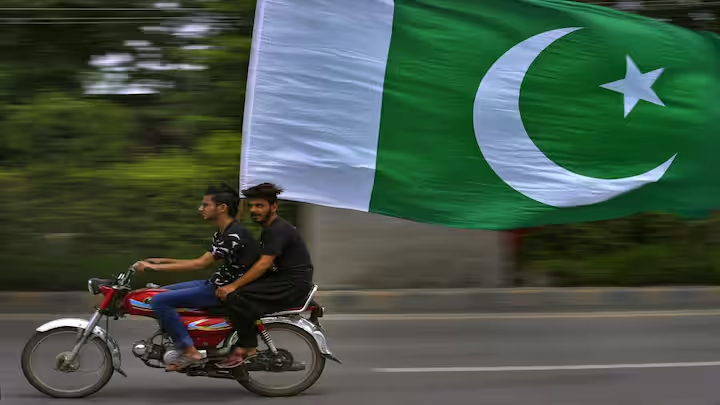
Qatar, along with Oman and Pakistan, has played an active role in facilitating communication between the two sides. Officials say the goal is not only to de-escalate the current crisis but also to establish a diplomatic framework that could contribute to long-term regional stability.
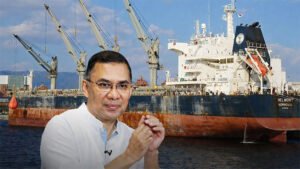
Security concerns in the Strait of Hormuz continue to underscore the urgency of the talks. Recent incidents involving commercial vessels have heightened international concern, as the waterway remains one of the world’s most critical routes for global energy supplies. Restoring confidence in the security of the shipping lane has become a priority for both regional and international stakeholders.
Political analysts caution that the circulation of a draft agreement, while a positive sign, does not guarantee a final breakthrough. Major issues—including the implementation of any future deal, mutual trust, and broader security arrangements—still require further negotiation. The coming days are therefore expected to be crucial in determining whether Washington and Tehran can transform the current momentum into a lasting diplomatic agreement.