
European stock markets ended the session near flat, as investors balanced encouraging economic data from the UK with ongoing uncertainty surrounding Iran-related geopolitical tensions and peace negotiations.
The UK economy provided a positive surprise, with GDP expanding by 0.5% in February, significantly above expectations. Growth was driven by strong performance in services, manufacturing, and construction sectors, signaling underlying resilience in the British economy.
However, economists caution that this momentum may be short-lived due to the broader economic shock caused by the Iran conflict, particularly through rising energy costs and supply chain disruptions.
Across Europe, markets showed mixed movement. Key indices such as Germany’s DAX and France’s CAC 40 fluctuated, while the UK’s FTSE 100 managed slight gains. Overall, the pan-European STOXX 600 hovered close to flat, reflecting investor hesitation amid conflicting signals.
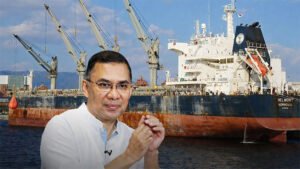
A major factor influencing sentiment remains the evolving situation in the Middle East—especially developments linked to the Strait of Hormuz, a critical global energy route. Recent optimism emerged after Iran signaled that the strait was open to commercial traffic during a temporary ceasefire, which helped push global markets higher and reduce oil prices.
This easing of energy concerns boosted sectors like travel and luxury goods, while energy stocks lagged due to falling oil prices.
Despite this short-term relief, uncertainty remains high. European Central Bank President Christine Lagarde warned that the Iran conflict could still increase inflation and weaken economic growth across the eurozone, mainly through volatile energy prices.
The broader backdrop is a fragile global economy facing multiple pressures. The Iran war has already triggered an energy shock in Europe, raising fears of fuel shortages and increasing the risk of stagflation—where inflation rises while growth stagnates.
In summary, European stocks are currently caught between two opposing forces:
- Positive driver: Stronger-than-expected UK economic growth
- Negative driver: Ongoing geopolitical risks tied to Iran and energy markets
Until there is clearer progress in Iran peace talks and stability in energy supply, markets are likely to remain cautious and range-bound rather than strongly trending in either direction